
1 Day in Kampala City Tour
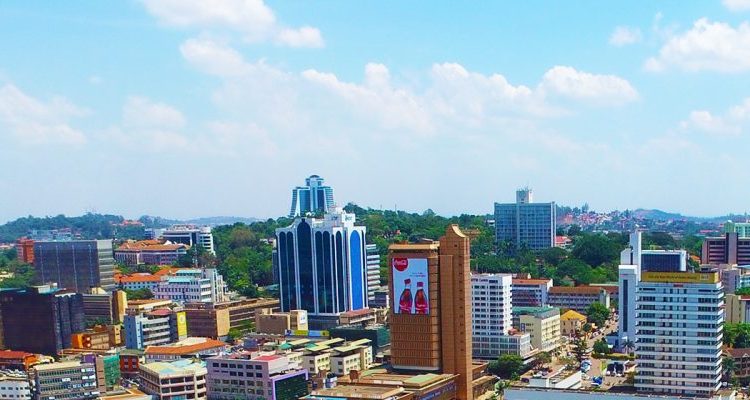
1 Day in Kampala City Tour
I Day Kampala City Tour takes you to Uganda’s capital. Kampala is the largest metropolitan area in the country with a population of about 1,800,000 people. Before the British and Arabs came to Uganda, Kampala was reserved as a hunting ground for the Kabaka. It had one of the largest population of Impala in the country and that is where the name Kampala (“The hill of the Impala”) comes from. The rolling hills, valleys and wetlands were perfect habitat for antelopes. The city was built on 7 hills (Old Kampala, Kololo, Mengo, Rubaga, Nsambya, Namirembe and Kibuli) initially but has now grown to cover over 20 hills.
Kampala is Uganda’s major industrial and commercial city. The central business area is composed of shopping malls, banks, forex bureaus, insurance companies, hotels, restaurants, casinos and government offices. Although Luganda is the main language spoken, the population in the city is diverse and you can find people from all parts of Uganda. Almost everyone in Kampala can understand and speak English. The people are drawn to Kampala because it is where all the action, social services and opportunities can be found. The weather in Kampala is great and warm for most of the year because of its location along the equator. For a foreigner, Kampala is the best place to learn and appreciate the cultural diversity in the country.
This 1 day Tour of Kampala city will take you to discover one of the most vibrant cities in East Africa. You will visit all the major attractions in Kampala city including the key commercial, educational, cultural, religious and historical landmarks/centers. While visiting these landmarks and commercial centers, you will get numerous opportunities to mingle with the people. Ugandans are extremely friendly people and one of the most tolerant in the world. Uganda is the only the only country where refugees are given the same opportunities as citizens of the country. It is extremely rare to find Ugandans complaining about the over 1 million refugees in the country.
Although this 1 day Kampala city tour ends in the evening, a night tour can be arranged with one of our Guides to experience the Kampala nightlife. If you request for a night tour, expect to be taken to the top night clubs, casinos and restaurants. Kampala is known a “city that never sleeps”. Folks party up to the wee hours of the morning from Monday to Sunday.
This 1 Day Kampala city tour will be led by our local Guide who is also the driver. The Guide/Driver will ensure that you are safe amidst all the chaos and activity in the city center. Lunch is included in this tour and the Guide will ensure that you eat some local food like Luwombo, Matooke or rolex. Traveling will be by car but you will walk on foot to most of the landmarks. By the end of this 1 day tour of Kampala city, we hope you would have had a good understanding of the unique culture, behavior, traditions and lifestyle of Ugandans. The city tour can start and end anywhere in Kampala, Entebbe or Jinja. You can read more about road trips in Uganda and Pastor Kakande’s Temple Mount Church of all Nations – Formerly known as the Synagogue Church of All Nations Uganda.
Gorillas Note: This 1 Day tour of Kampala can be combined with a general Uganda safari to see mountain, the big 5 mammals, whitewater rafting in Jinja and so much more.
The main places to visit while on this 1 day City Tour are: –
- The Gaddafi Mosque
- The Kabaka/King’s Palace
- The Baha’i Temple
- The Kasubi Tombs
- The Ndere Center
- The Local Markets
- The Uganda Martyrs Shrine
- The National Museum
- Namirembe and Rubaga Cathedral
- Crafts villages
Makerere University
Uganda National Mosque (Formerly Gaddafi Mosque): The Gaddafi mosque lies on top of one of the prominent hills in Kampala. It was built in 2006 with funds from the Libyan government. The Mosque was commissioned by the late Colonel Muammar Gaddafi and can accommodate about 17,000 people. From its 90-meter tower, the mosque provides one of the 3 best views of Kampala city center. Apart from the great views of Kampala, the mosque is built with Moroccan architecture and furnished with beautiful carpets.
The Kabaka’s Palace and Buganda Parliament in Mengo: Also known as the Lubiru, the palace is just one of the several homes of the Kabaka of Buganda. This particular palace is significant because it houses the parliament of Buganda Kingdom – also known as “twekobe”. There are other cultural sites within the palace establishment and you will learn about them from a resident Guide. The local Guide will share information about the Kingdom – dating back to over 800 years ago.
In the early 1960’s, this particular Mengo palace was attacked by government forces under the orders of president Obote. The ruling Kabaka at the time escaped to exile where he remained till his death. Because of the tragic history of the palace, the new Kabaka never spends the night there. President Idi Amin Dada later used the palace grounds as a torture chamber for some of those who were suspected of opposing him. Inside the main gate is a fire source that has remained on since the Kingdom was founded. It only goes off when a King is dead.
Although the Kabaka doesn’t spend the night in the Mengo palace, the parliament building remains within the palace compound. The Kabaka, his ministers and clan heads meet here regularly to discuss all issues affecting the Buganda Kingdom.
Kasubi Tombs: The Kasubi Royal tombs are a UNESCO World Heritage site and one of the top cultural attractions in Uganda. The tombs are the main burial grounds for the Kings (Kabaka’s) of Buganda and hence of great spiritual importance. The Baganda look at the Kasubi tombs with pride because they help to preserve there rich culture. Once you get to the tomb, the caretakers will take you around and share information about the place and other important cultural regalia. The key attraction is the main building (Muzibu Azaala Mpanga) where the kings are buried. This building is an architectural wonder because of its rare shape and material used. The building is made of reeds, wood, grass, and other local materials. You will be left in awe by the unique artifacts and architecture of the tombs. Four kings are buried in the main building but there are also graves for other royals to be seen in a separate site.
Baha’i Temple: The Baha’i Temple in Uganda is the only one in Africa. Built on top of Kikaaya Hill, the temple is a unique architectural wonder. From the temple one can get great views of the city center and surrounding areas. Many city residents go to the temple just to rest on its beautiful lawns and gardens. On a typical visit, tourists are taken around the facility to learn more about the Baha’i faith. After exploring the inside, visitors are taken for a stroll around the gardens to take photos as they catch beautiful views of Kampala city or spot birds.
Main Markets: One of the best ways to understand the culture of a new place is to visit the main markets. It is where you get to hear the latest gossip and get insight into how the local people do business. The main markets in Kampala are St. Balikuddembe Market (Formerly known as Owino Market) and Nakasero Market. It is possible to find almost anything in these markets. Owino market is known for second hand clothes but one can also find electronics, fresh fruits/vegetables, spices and grains. Nakasero market is known for electronic and hardware shops. If you are interested in buying something from these markets, you must understand the art of bargaining.
Ndere Center: The Ndere Cultural Center is arguably the best place to learn about the culture of the various tribes in Uganda. Expect to find other tourists, a large diplomatic and Expatriate community all gathered to watch cultural performances from all corners of Uganda. The best time to visit the Ndere Center is on Friday, Saturday and Sunday.
The Uganda Martyrs shrine: The Martyrs Shrines are found in in a Kampala suburb known as Namugongo. The shrines are being about 22 Catholic Martyrs were burnt alive when they refused to denounce Christianity. Every 3rd June, over one million pilgrims from all over the world visit the shrine for prayers and celebrations in remembrance of the Martyrs of Uganda. Apart from the attending the Uganda Martyrs Day Celebrations, pilgrims can also marvel at the amazing architectural works or visit a well surrounding the shrine where pilgrims draw water that is believed to provide divine healing and blessings.
Uganda National Museum: The Uganda National Museum is one of the key attractions in Kampala city. This is where the country’s key historical, ethnological and cultural exhibitions are kept. The Museum was built in in 1908 on the orders of Governor George Wilson so as to preserve all articles of interest in the country.
Makerere University: This is the oldest, largest and most prestigious public university in Uganda. Most of the prominent ugandans have passed through Makerere. Makerere University has also produced over 7 presidents and some of the most respected professors in Africa (Prof. Ali Mazrui) and great Authors (Ngũgĩ wa Thiong’o and Paul Theroux). Driving inside, the university rewards visitors with beautiful sites of new gigantic structures and the older colonial buildings.
Rubaga Cathedral: This cathedral is found on the top of Lubaga Hill and is the oldest catholic cathedral in Uganda. It is where some of the most senior catholic clerics reside. The first African Catholic Bishop and first African Catholic Cardinal are buried here. Visitors to the Cathedral get to learn a lot about the history of the influential catholic church. You will also have opportunities to marvel at the design of the church. Because of its location on top of one of Kampala’s prominent hills, visitors can get beautiful views of the city centre.
Namirembe Cathedral: This is the oldest Christian Cathedral in Uganda. It is built on Mengo hill and is the most important seat of the Anglican Church in Uganda. The Church was constructed in 1915 to replace a simple structure built in 1903 by Craftsmen from the Buganda Kingdom but that was brought down by lightning. From the Cathedral, tourists can get beautiful views of the city Center.
Uganda Parliament Building: The Parliament building in Uganda is open to visitors after undergoing extensive security checks. It is found very close to the city center and hence very easy to access. Tourists are taken around the facility by resident Guides whenever they visit. If you are lucky to visit when the Members of parliament are debating a motion or passing a bill, you could be allowed to sit at the back sit.
Optional Activities during the 1 Day in Kampala
There are countless amazing activities that one can engage in while in Kampala and that can be included in case you are not interested in any of the ones listed above. They include: –
Visiting one of the beaches in Kampala: A large part of Lake Victoria is found in Kampala and because of that, residents can visit any of the numerous beaches in Ggaba and Munyonyo for fun activities. There is also the popular sunset boat cruise to look forward too if interested.
Visiting Local Community Development Projects: A good example is the Bead For Life project. This project was initiated to enhance the capacities of local women to be self-reliant through participating in income generating activities like making jewelry. While visiting this project, you will learn a lot about how the project is impacting on the women and their families. Do not forget to buy souvenir in support of the women.
You will then come back to town to visit the city markets (40 minutes), Kabaka’s palace, Kabaka’s Lake, Gadhafi Mosque (30 minutes) and all the other key landmarks. The company driver will also take you to the main taxi park and Owino Market to see the chaos and crowds of passengers preparing to travel or doing business. After completing your tour of the city in the evening, the driver will take you back to your hotel or residence.
Note: The evenings and nights can be spent at the Ndere Cultural Centre, is one of the prominent and safe nightclubs. The evening section of the tour is a separate arrangement that you can request for at the time of booking.
Tour Includes
- Entry and admission fees
- Parking fees
- Transport and fuel
- A driver
- Lunch and drinking water
Exclusions
- Air tickets and Visa
- Alcoholic drinks and cigars
- Tips
- Travel and Medical insurance
- Personal expenses on telephone calls, shopping